How market concerns became government action
Publisert den 27.07.2026 av Per Arne Fagervoll Meek
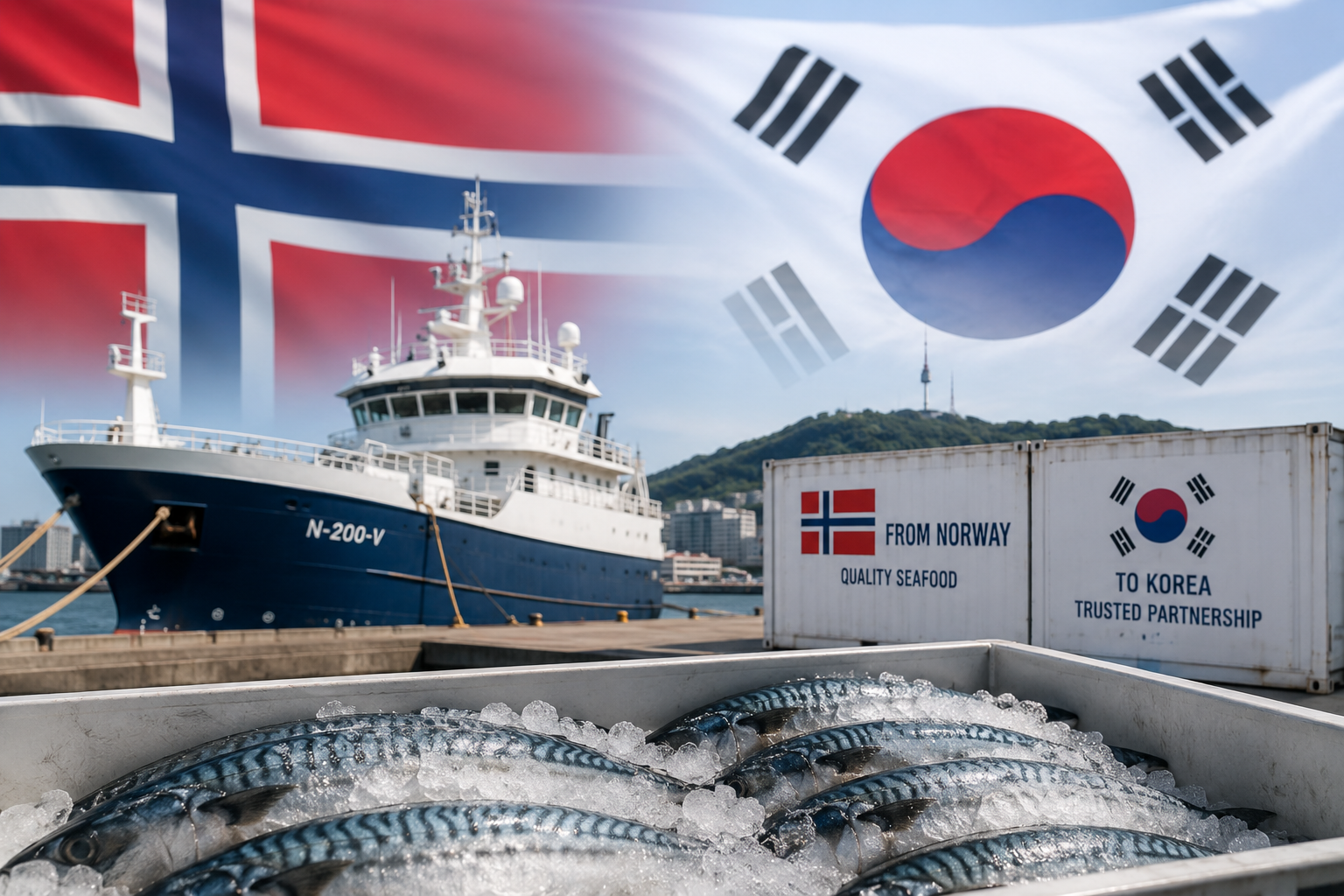
South Korea is one of the world's largest and most important markets for Norwegian Atlantic mackerel.
Concerns about future supplies of Norwegian Atlantic mackerel were already clearly visible in the Korean market earlier this summer. Within weeks, those concerns had developed into a coordinated government initiative involving Korean authorities, industry organisations, importers and Norwegian suppliers.
When Global Fish travelled to Seoul earlier this summer, conversations with Korean importers, processors and other industry stakeholders repeatedly returned to the same question:
What would the upcoming season mean for the availability of Norwegian Atlantic mackerel?
The concerns were understandable. Scientific advice for the Northeast Atlantic mackerel stock had called for a substantial reduction in catches for 2026. At the same time, the weaker Korean won had increased the cost of imported seafood, while Korean demand for Atlantic mackerel remained strong.
At first, these appeared to be commercial concerns shared throughout the market. Within weeks, however, they had developed into an official government response.
The market recognised the challenge
South Korea is one of the most important international markets for Norwegian Atlantic mackerel. The product is firmly established in Korean retail, foodservice and household consumption, making continuity of supply important to importers, distributors and consumers.
During Global Fish's meetings in Seoul, the discussion was increasingly focused on availability rather than price alone. Importers wanted to understand how the Norwegian season might develop, how reduced quota availability could affect the market and whether sufficient supply would remain available throughout the year.
Similar themes were raised during the Norwegian Seafood Council's pelagic seminar in Seoul. The discussions reflected the close relationship between fisheries management in the North Atlantic, international trade conditions and seafood availability in important consumer markets.
Why mackerel matters in South Korea
For Korean consumers, Norwegian Atlantic mackerel is far more than another imported seafood product. It is one of the country's most widely consumed pelagic species, found throughout retail, traditional markets, restaurants and foodservice.
The product has built a strong reputation over several decades for its quality, consistency and suitability for Korean cuisine. As a result, fluctuations in availability and pricing are noticed quickly throughout the supply chain - from importers and retailers to households.
This helps explain why concerns over reduced Norwegian supply extended beyond normal commercial discussions and ultimately attracted the attention of government authorities.
From market concern to government action
In June, the South Korean government announced a wider programme intended to stabilise seafood supply and limit price pressure for consumers. The measures included government reserve procurement of imported frozen mackerel and direct engagement with major producing countries.
An official delegation subsequently travelled to Norway. The delegation included representatives from South Korea's Ministry of Oceans and Fisheries, the Korea Maritime Institute, Suhyup and Korean seafood importers.
The purpose of the visit was to meet Norwegian suppliers, discuss the developing supply situation and support the implementation of the government's mackerel procurement initiative.
The delegation's arrival in Norway was therefore not the beginning of the story. It was the visible outcome of market concerns that had already been developing across one of Norway's most important seafood markets.
Science, markets and policy
The sequence illustrates how closely connected the modern seafood industry has become.
Scientific assessments of a fish stock influence catch advice. The advice affects national quotas and the volumes available to the fishing industry. These decisions then influence exporters, importers, processors, retailers and consumers in markets far from the fishing grounds.
For 2026, the International Council for the Exploration of the Sea advised that catches of Northeast Atlantic mackerel should not exceed 174,357 tonnes, compared with advice of 576,958 tonnes for 2025.
South Korea's response shows how a major change in supply expectations in the North Atlantic can quickly become a matter of national market policy in Asia.
More than a procurement programme
Although the immediate programme concerns the procurement and distribution of frozen mackerel, the initiative has broader significance.
Norwegian Atlantic mackerel is not simply another imported seafood product in South Korea. It has become an established part of the market, supported by long-term cooperation between Norwegian producers and exporters and Korean importers, processors and retailers.
The involvement of government authorities, research institutions and commercial participants demonstrates the importance placed on maintaining access to the product during a period of reduced availability and increased market uncertainty.
A relationship built over decades
The mackerel trade between Norway and South Korea has been built over many years. Its development has depended on product quality, reliable logistics, market knowledge and trust throughout the supply chain.
Those relationships become particularly valuable when markets face disruption or uncertainty. Open communication between authorities and commercial participants can provide a better understanding of the challenges and help identify practical solutions.
The recent dialogue in Seoul and Norway is a strong example of cooperation between two seafood industries with a long and important shared history.
Supporting the Korean market
Global Fish is grateful for the opportunity to participate in this initiative and for the confidence shown by our Korean partners.
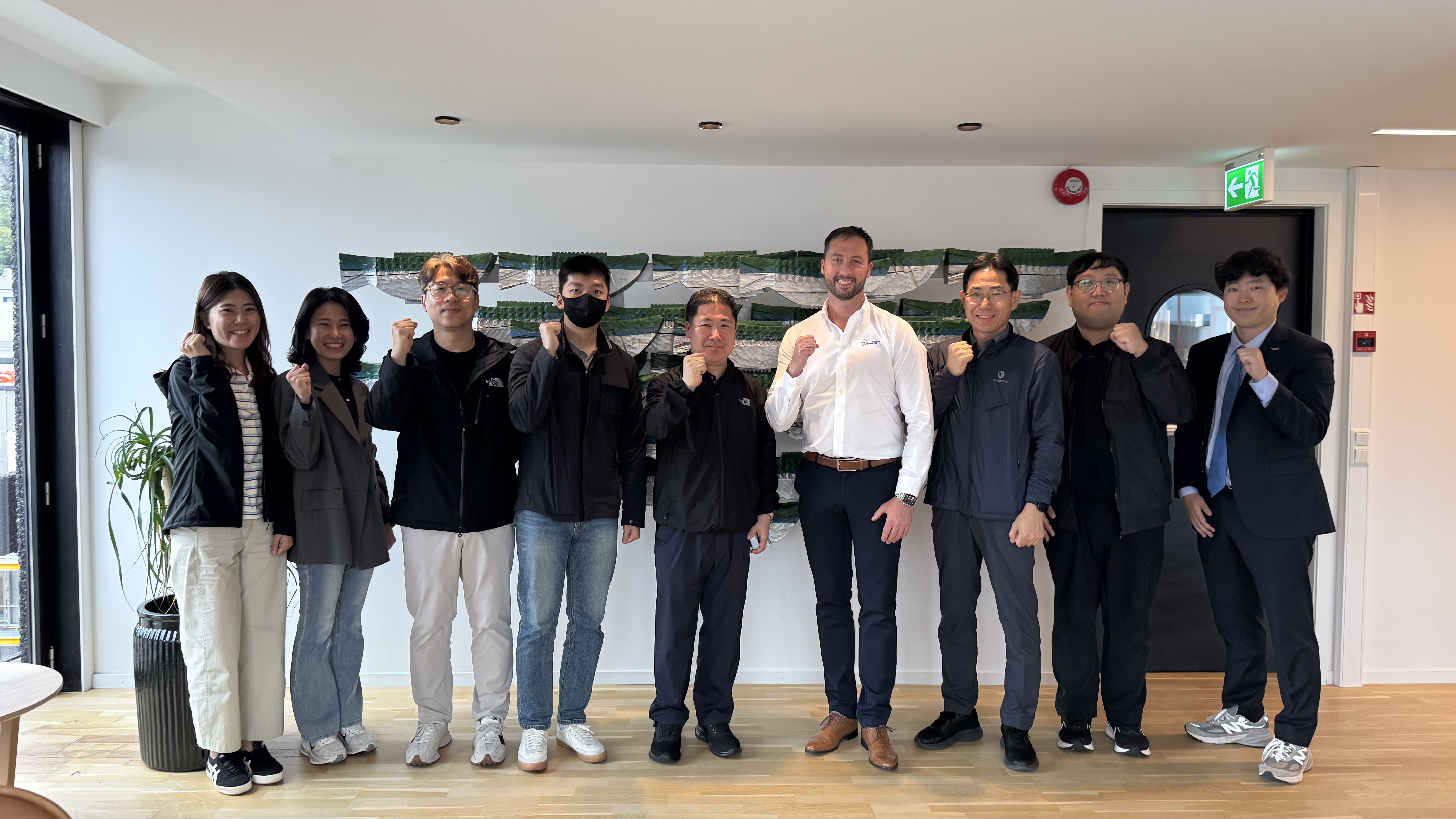
Following discussions with Korean stakeholders in Seoul and subsequent meetings with the delegation in Norway, Global Fish has begun supplying Norwegian Atlantic mackerel in support of the programme. Further deliveries are planned as the initiative progresses.
We continue to support the Korean market with reliable deliveries of Norwegian Atlantic mackerel and to contribute positively to the long-standing cooperation between the Norwegian and Korean seafood industries.
We appreciate the constructive dialogue with the Korean authorities, industry organisations, importers and customers involved, and we value the opportunity to support continued availability for Korean consumers.
Looking ahead
The 2026 Norwegian mackerel season is still developing. The coming months will continue to be influenced by fishing progress, biological observations, international demand and changing market conditions.
Whatever the final outcome of the season, the events of recent months have already demonstrated how closely connected the seafood industry has become.
Conversations in Seoul were followed by official policy measures, government procurement, a delegation to Norway and cooperation with Norwegian suppliers - all centred on maintaining access to one of South Korea's most valued seafood products.
The events of recent months demonstrate that today's seafood industry extends far beyond fishing and trade. They show how science, markets, government policy and international partnerships have become increasingly interconnected - making trust, transparency and long-term cooperation more important than ever.
Sources:
International Council for the Exploration of the Sea
South Korean Ministry of Oceans and Fisheries
Government of the Republic of Korea